Home / New Windows in Carlsbad: Fiberglass, Wood Clad and Aluminum
New Windows in Carlsbad: Fiberglass, Wood Clad and Aluminum
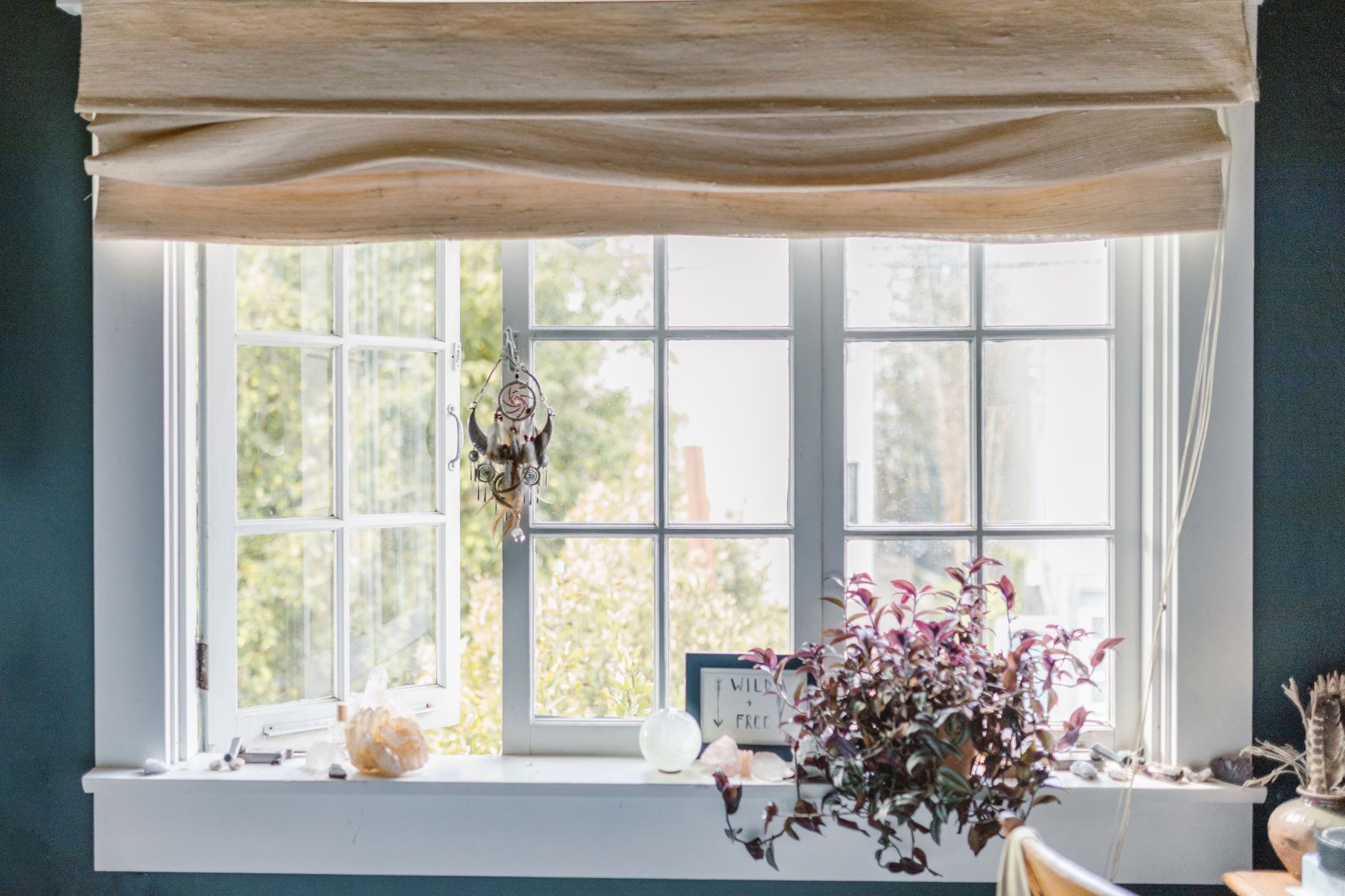
The three frames people overlook
Search for new windows in Carlsbad and the results lean heavily toward vinyl, which makes sense, but it leaves out three materials that suit particular houses better than anything else: fiberglass, wood clad and aluminum. Each has a loyal group of owners and a clear set of strengths. This article walks through them with Carlsbad houses in mind, from the cottages near the Village to the open, sunlit tracts of La Costa and the newer streets of Bressi Ranch.
Fiberglass: the steady, paintable frame
Fiberglass frames are formed from glass fibers pulled through a resin bath and cured into rigid profiles. The result is a material that barely expands or contracts when the temperature changes. For a house in inland Carlsbad where a west wall can be hot by late afternoon and cool again at night, that stability is a real advantage, because the seals between frame and glass experience less movement over the years.
Fiberglass also accepts paint. A homeowner who chooses a deep color today and wants a different one in fifteen years can repaint the frames, something that vinyl rarely allows. Factory finishes on fiberglass are usually baked on and durable, and many lines offer a wide palette. The interior can be left white, painted or even stained in some systems with a wood-look finish.
The trade-offs are modest. Fiberglass windows are less common, so fewer installers know them well, and the lines tend to be offered by fewer manufacturers. They are also usually priced above basic vinyl, a point to weigh against the lower repainting and replacement needs later on.
Wood clad: warmth inside, protection outside
A wood clad window is built with a real wood frame and sash on the inside, wrapped on the exterior with a protective skin of extruded aluminum or vinyl. The cladding handles weather, while the wood handles appearance and feel. For a Carlsbad home with exposed beams, wood trim or a craftsman character, this combination is hard to beat. Olde Carlsbad cottages and the older homes near the Village often look more at home with a wood interior than a plastic one, even when the exterior is clad.
Wood is also a natural insulator, and it can be repaired in a way other materials cannot. A scratched sill can be sanded and refinished. A dented corner can be filled. The material has a long history of serving in buildings for generations.
The weakness is moisture. If water finds its way behind the cladding or into the wood at the bottom of the sash, rot can follow. Carlsbad's mornings, when the marine layer keeps surfaces wet, make good drainage details and careful sealing more important. Choose a line with a reputation for quality cladding, factory-sealed wood and visible, unclogged drainage paths, and keep the interior finish in good shape.
Aluminum: slim lines and big glass
Aluminum is a strong metal that can be extruded into very thin, very rigid profiles. That strength allows large panes of glass to be held in narrow frames, which is why aluminum is the standard choice for modern architecture and for expansive sliding doors that open onto a patio. Many 1980s and 1990s Carlsbad houses came with aluminum sliders, so replacing them with newer aluminum can keep the original proportions while improving performance.
The weak point in older aluminum windows was thermal performance. Metal conducts heat easily, so a basic aluminum frame feels cold in winter and hot in summer. Modern aluminum windows reduce this with a thermal break, an insulating strip within the frame that interrupts the metal path from outside to inside. If you are considering aluminum, ask whether the frame has one and how it is made.
Aluminum is also lightweight and does not rot, warp or swell. Its finish, typically a baked-on coating or anodized layer, should be matched to the setting, and any scratches that expose bare metal are worth touching up. Over time, a poor finish can chalk or fade, so the quality of the coating matters.
Putting the three side by side
- Look: Aluminum gives the slimmest frames, wood clad gives the most traditional interior, fiberglass sits between with strong color options.
- Upkeep: Fiberglass and aluminum ask for little. Wood clad asks for a bit more attention indoors.
- Heat movement: Fiberglass moves least, wood moves modestly, aluminum moves with temperature unless a break reduces conduction.
- Repair: Wood is the easiest to repair in place. Fiberglass and aluminum are usually replaced at the sash or unit level.
- Color change later: Fiberglass and wood take paint most readily.
Which Carlsbad houses suit which frame
A restored cottage near Carlsbad Village with painted trim, divided panes and a porch is the natural home for wood clad. A mid-sized stucco house in Calavera Hills with a warm southwestern color scheme might look best in fiberglass with a darker frame and a tough factory finish. A contemporary house in Aviara with a wall of glass facing the view suits aluminum, where the frame disappears and the outlook takes over. Each pairing follows the logic of architecture first and performance second, and in most cases the two align.
Homes near the Pacific coast and the lagoon benefit from finishes designed to resist moist air, which is true of all three materials when the finish is good. The details that matter most are drainage, sealing and the quality of hardware rather than the base material alone.
Warranty and finish: the quiet differences
Pay attention to how each manufacturer treats the finish. A baked-on coating on aluminum or fiberglass should carry its own warranty, separate from the frame and the glass. For wood clad windows, find out how the wood is treated at the factory and what happens if moisture damage appears. Warranties vary in how long they run and whether they transfer to a new owner, and that detail can matter if you sell the house in the future.
Ask to see the warranty document before you decide, not after. Read the exclusions, since they often reveal the conditions the manufacturer considers risky.
Installation notes that depend on material
Each material also behaves differently on installation day. Fiberglass and wood clad frames are heavier than vinyl, especially in larger sizes, and the crew needs to handle them carefully to avoid chipping a factory finish. Aluminum frames are light but can dent if they are dropped, so protection during transport counts. Wood clad units should be kept dry and out of standing water before they are set. A crew that has handled your chosen material many times will do all of this by habit, so it is fair to ask about their experience with it.
The way a frame meets the stucco also differs. Slim aluminum frames leave more of the opening visible and demand neat edges. Wider fiberglass and wood clad frames can cover small irregularities in the old opening. Walk the house with whoever is giving the estimate and look closely at how the new frame will meet the wall on each side.
Choosing with confidence
The best new windows for a Carlsbad home are the ones matched to the house. Fiberglass offers stability and paintability, wood clad offers warmth and repairability, and aluminum offers strength and slender lines. Vinyl remains a fine choice for many, but it is not the only good one. Handle samples, look at how finishes are applied, compare warranties and think about how the windows will look and feel a decade from now. A frame that fits the personality of the house will keep earning its place long after the work is finished.
Take your time, ask for samples of each material, and let the architecture of your own home steer you toward the answer. The right frame is the one you stop thinking about because it simply works and looks right.